
Contact Us
Electric Grease Transfer Pump: Revolutionizing Lubrication Processes
23/05/2025
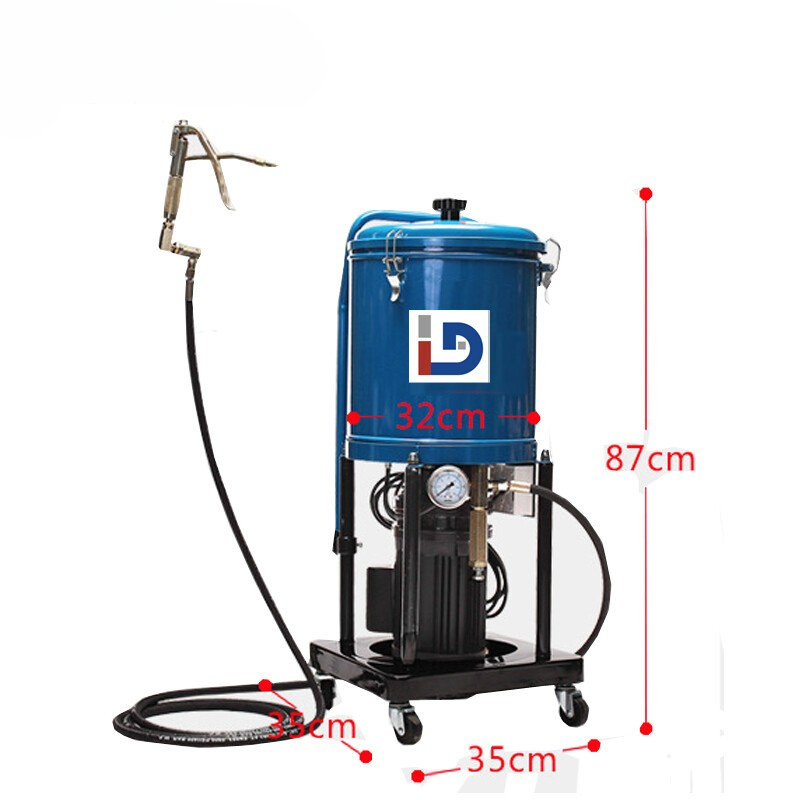
In the realm of industrial lubrication and maintenance, the electric grease transfer pump has emerged as a game - changing device. Unlike traditional manual pumps, electric grease transfer pumps offer enhanced efficiency, precision, and convenience, making them indispensable in a wide range of applications.
Working Principle
Electric grease transfer pumps operate on the principle of using an electric motor to drive a pumping mechanism. The motor powers a piston, plunger, or gear system that creates the necessary pressure to move grease through the pump and into the desired application point. When the pump is activated, the electric motor rotates, setting the pumping mechanism in motion. This motion generates pressure within the pump chamber, forcing the grease to flow through hoses and fittings to reach the lubrication points. The speed and pressure of the grease delivery can often be adjusted, allowing for precise control over the amount of grease dispensed.
Applications
- Automotive Manufacturing and Maintenance: In automotive plants, electric grease transfer pumps are used extensively for the assembly line lubrication of various components. They ensure that bearings, bushings, and other moving parts in engines, transmissions, and chassis systems receive the right amount of grease at the right time. In automotive repair shops, these pumps are crucial for tasks such as repacking wheel bearings, lubricating universal joints, and applying grease to chassis components. Their ability to deliver grease under high pressure enables mechanics to reach deep - seated lubrication points easily.
- Heavy Equipment and Construction: Construction machinery like excavators, bulldozers, and cranes require regular lubrication to function smoothly. Electric grease transfer pumps are used to lubricate large - scale components such as hydraulic cylinders, pivot points, and tracks. These pumps can handle high - viscosity greases and deliver them over long distances through hoses, making it possible to lubricate hard - to - reach areas of heavy equipment. This helps in reducing wear and tear, increasing the lifespan of the machinery, and minimizing downtime on construction sites.
- Mining Industry: Mining operations involve the use of massive equipment that is subjected to extreme conditions. Electric grease transfer pumps play a vital role in keeping this equipment operational. They are used to lubricate conveyor systems, haul trucks, and mining drills. The high - pressure capabilities of these pumps ensure that grease can penetrate into the tight spaces and rugged components of mining machinery, protecting them from the harsh environmental elements like dust, dirt, and moisture.
- Food and Beverage Industry: In food processing plants, hygiene is of utmost importance. Electric grease transfer pumps designed for the food industry are made from food - grade materials and are easy to clean and maintain. They are used to lubricate equipment such as bottling lines, mixers, and conveyors. The precise control over grease dispensing ensures that there is no over - lubrication, reducing the risk of product contamination.
Product Advantages
- Increased Efficiency: Electric grease transfer pumps can deliver grease at a much faster rate compared to manual pumps. This significantly reduces the time required for lubrication tasks, allowing maintenance personnel to service more equipment in less time. The automated operation also eliminates the need for repetitive manual labor, improving overall productivity.
- Precise Grease Delivery: These pumps offer precise control over the amount of grease dispensed. This is crucial as over - lubrication can lead to waste and potential contamination, while under - lubrication can cause premature wear of components. With adjustable pressure and flow settings, operators can ensure that each lubrication point receives the exact amount of grease it needs.
- Reduced Operator Fatigue: Since electric grease transfer pumps are powered by electricity, operators do not have to exert physical effort to pump the grease. This reduces the risk of fatigue - related injuries, such as muscle strains and repetitive stress injuries, associated with manual pumping. It also allows operators to work for longer periods without experiencing fatigue.
- Versatility: Electric grease transfer pumps can handle a wide variety of greases, including high - viscosity and specialty greases. They can be used with different types of lubrication systems, such as centralized lubrication systems and individual grease guns, making them suitable for a diverse range of applications.
Limitations
Despite their many advantages, electric grease transfer pumps do have some limitations. One of the main drawbacks is their dependence on an electrical power source. In areas where electricity is not readily available or during power outages, these pumps cannot be used. Additionally, electric grease transfer pumps require regular maintenance to ensure the proper functioning of the electric motor and pumping mechanism. Malfunctions in the electrical components or the pump itself can lead to downtime and costly repairs. Another limitation is their relatively higher initial cost compared to manual pumps. However, considering the long - term benefits in terms of efficiency and productivity, the investment often proves to be worthwhile.
In conclusion, electric grease transfer pumps have transformed the way lubrication is carried out in various industries. Their advanced features, including efficient operation, precise grease delivery, and reduced operator fatigue, make them a valuable asset for any maintenance and lubrication program. While they do have some limitations, understanding and addressing these can help industries make the most of these innovative devices and ensure the smooth operation of their equipment.
Get a free quote